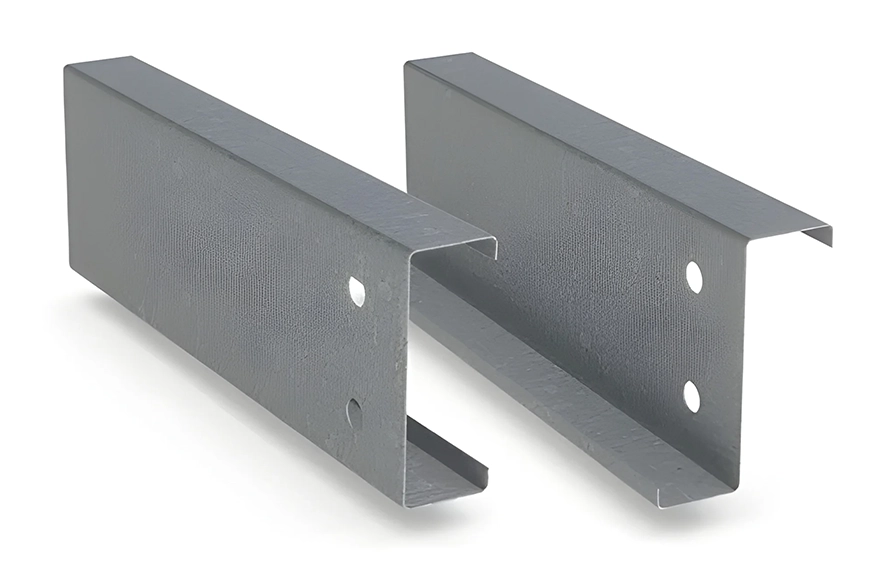
Z & C Purlin
Z & C Purlins are structural steel members widely used in solar mounting structures and lightweight steel framing systems. APM Infratech, a manufacturer serving projects across Pan India, produces Z and C purlins designed for structural support in solar power installations, industrial roofing systems, and infrastructure frameworks.
These sections form the intermediate support layer between primary structural members and mounted systems such as solar modules or roof sheets. With growing deployment of solar power plants and industrial sheds, properly engineered purlins play a critical role in ensuring structural stability, load distribution, and installation efficiency. From manufacturing to project dispatch, APM Infratech supplies Z & C purlins nationwide, supporting EPC contractors, project developers, and infrastructure builders.
For company background and engineering expertise, visit the About page:
https://www.apminfratech.com/about-us
What is Z & C Purlin
A Z & C Purlin is a cold-formed steel structural section used to support roof systems, solar mounting structures, and lightweight framing assemblies. The profile shape — either Z-shaped or C-shaped — allows efficient load transfer between primary beams and mounted equipment such as solar panels or roofing sheets.
Purlins serve as secondary structural members positioned between main rafters or trusses. In solar installations, they support mounting rails and help distribute wind loads, panel weight, and environmental stresses across the structure.
The two common profiles serve slightly different structural roles:
-
Z Purlins are typically used in continuous spans where overlapping sections improve load sharing.
-
C Purlins are often used in simple span systems or wall girts.
Because solar plants and industrial roofs must withstand varying wind loads and environmental exposure, purlins are typically fabricated from galvanized or coated steel, ensuring durability and corrosion resistance over long operating cycles.
Applications of Z & C Purlin
1. Solar Power Plant Mounting Structures
Large solar installations require structural frames that support module rows across extensive land areas. Z & C purlins act as secondary framing members that connect primary columns and beams while supporting module rails.
Their shape enables efficient load transfer and allows flexible spacing adjustments during solar layout design.
2. Industrial Shed Roofing
In industrial buildings, purlins provide the framework that supports roof sheets. They are installed between rafters and carry loads from roofing panels, insulation layers, and wind pressure.
C purlins are commonly used in such installations because they provide stable support for sheet fasteners and roof accessories.
3. Solar Carports and Parking Structures
Solar carports require structural systems that combine durability with lightweight framing. Purlins are used to mount solar panels above parking areas while maintaining adequate structural spacing.
Their cold-formed steel design enables efficient construction while minimizing structural weight.
4. Warehouse Roofing Systems
Warehouses often require large-span roofing systems. Purlins create intermediate structural support between primary frames, ensuring uniform load distribution across roof sheets.
This reduces structural deflection and improves long-term roof stability.
5. Agricultural Solar Installations
Solar pumps, agricultural sheds, and rural solar projects use purlins in smaller mounting systems. Their modular nature allows easy fabrication and installation in remote project locations.
6. Pre-Engineered Buildings (PEB)
Pre-engineered buildings frequently rely on standardized structural components. Purlins provide the secondary framing layer that supports roof cladding systems while maintaining structural alignment across the building frame.
Industries Using Z & C Purlin
-
Z & C purlins are used across industries where lightweight structural steel systems are deployed.
-
Solar Energy Industry: Solar EPC contractors and developers use purlins in ground-mounted solar plants, rooftop installations, and solar infrastructure.
-
Infrastructure Construction: Infrastructure projects involving warehouses, transport hubs, and utility structures use purlins for lightweight roofing systems.
-
Manufacturing Facilities: Factories and industrial production units require robust roofing frameworks supported by purlins.
-
Agricultural Infrastructure: Agricultural buildings and solar irrigation structures use purlins for structural support in exposed outdoor environments.
-
Logistics and Storage: Large logistics parks and storage facilities use purlins for roof framing in wide-span buildings.
Product Specifications
Because solar projects vary widely in design requirements, exact specifications may vary based on project engineering and customization requirements.
Parameter |
Typical Options |
|
Material |
Structural steel / galvanized steel |
|
Profile Type |
Z purlin / C purlin |
|
Manufacturing Process |
Cold-formed steel fabrication |
|
Surface Protection |
Galvanized coating / protective finish |
|
Length |
Project-specific customization |
|
Thickness |
Structural requirement dependent |
|
Hole Patterns |
Customized for mounting systems |
|
Structural Features |
Flanges, lips, and stiffeners depending on design |
Customization Options
Solar and industrial projects often require project-specific structural components.
APM Infratech provides customization for:
-
profile dimensions
-
steel thickness
-
punching patterns for mounting hardware
-
surface coating requirements
-
project-specific lengths
Customization ensures purlins integrate correctly with solar mounting frames and structural assemblies.
Supply Across India
Solar projects and infrastructure developments are often distributed across multiple regions. Reliable supply logistics are therefore essential.
APM Infratech supplies Z & C purlins across Pan India, supporting projects in:
-
solar power parks
-
industrial facilities
-
infrastructure developments
-
commercial roofing projects
Dispatch is coordinated according to project timelines, ensuring structural components arrive aligned with installation schedules.
For procurement enquiries:
https://www.apminfratech.com/contact-us
How to Choose the Right Z & C Purlin
Selecting the appropriate purlin configuration requires evaluating several technical and operational factors.
1. Structural Load Requirements
Consider:
-
wind load
-
module weight
-
structural span length
Higher loads typically require thicker sections or reduced spacing.
2. Project Environment: Environmental exposure influences coating requirements. Coastal or high-humidity locations may require enhanced corrosion protection.
3. Compatibility with Mounting Systems: Ensure hole patterns and structural spacing match the solar mounting framework.
4. Installation Efficiency: Pre-punched purlins can significantly reduce on-site installation time.
5. Long-Term Maintenance: Properly coated steel components reduce corrosion risk and structural degradation over time.
Buyer Checklist
Before procurement, verify:
-
structural drawings compatibility
-
required steel thickness
-
coating specification
-
hole punching pattern
-
delivery timeline
Typical Use Case Scenarios
-
Utility-Scale Solar Farm: Ground-mounted solar plants use purlins to support module mounting rails across large arrays.
-
Industrial Manufacturing Facility: Factory roofing systems use purlins to support sheet roofing across wide structural spans.
-
Logistics Warehouse: Large warehouses rely on purlins for roof framing that supports lightweight cladding systems.
-
Solar Carport Infrastructure: Parking structures integrate purlins to mount solar modules while maintaining structural stability.
Procurement Process
Industrial procurement typically follows a structured process.
Step 1 — Technical Requirement Submission
Buyers share:
-
structural drawings
-
material specifications
-
project location
Step 2 — Engineering Review
Manufacturers review design compatibility and confirm production feasibility.
Step 3 — Quotation
A formal quotation includes manufacturing scope, customization details, and dispatch timelines.
Step 4 — Manufacturing and Dispatch
Once confirmed, fabrication begins and components are dispatched according to project schedules.
Common Buyer Concerns Before Ordering Z & C Purlin
-
Industry Suitability: Buyers often verify whether the purlins meet structural requirements for solar plants or industrial roofing.
-
Customization Limits: Projects may require specific hole spacing or profile dimensions.
-
Delivery Timelines: Construction schedules depend on timely structural supply.
-
Installation Compatibility: Improper hole alignment can delay installation of solar mounting systems.
-
Maintenance Expectations: Galvanized steel components are generally preferred due to their corrosion resistance and longer service life.
What is the difference between Z purlin and C purlin?
Z purlins are designed for continuous spans where overlapping sections improve load distribution. C purlins are typically used in simple spans or as wall girts. The choice depends on structural design, span length, and load requirements of the project.
Are Z & C purlins suitable for solar mounting structures?
Can purlins be customized for project requirements?
How are purlins installed in solar structures?
Are purlins used in industrial roofing systems?